Posted on

Water Quality To Maximise the Life of Hot Water Cylinders

Water quality is one of the most important — yet often overlooked — factors that determine the performance, efficiency, and lifespan of a hot water cylinder. Poor water chemistry can cause corrosion, scale build-up, and premature component failure, all of which reduce efficiency and may void your warranty.

Both Rheem and Rinnai — two of New Zealand’s most trusted hot water brands — publish clear guidelines on acceptable water quality. Following these recommendations will help you maximise performance, extend the life of your system, and protect your investment.

Why Does Water Quality Matter for Hot Water Cylinders?

Hot water cylinders are designed to operate with standard town water supplies, but water chemistry can vary significantly from one region to another. When the water contains excessive minerals, dissolved solids, or corrosive elements, it can accelerate wear and tear on the storage cylinder, heating element, and valves.

Over time, these issues can lead to:

  • Premature cylinder failure

  • Higher energy bills due to scale-related inefficiency

  • Voided warranties due to non-compliance with water quality standards

Before installing a new water heater, it’s essential to test your water quality and ensure it meets the manufacturer’s recommended levels.Whether you have a new system or are looking to install a hot water cylinder, ensuring that your water supply meets the recommended standards is essential for long-term performance.

Recommended Water Chemistry Guidelines

Below are the maximum recommended water chemistry levels from Rheem’s product documentation and Rinnai’s EF250 water quality statement:

Parameter Recommended Limit
Total Dissolved Solids (TDS) ≤ 600 mg/L
Total Hardness ≤ 200 mg/L
Chloride ≤ 250 mg/L
pH Level 6.5 – 8.5
Iron ≤ 1 mg/L
Calcium ≤ 20 mg/L
Sodium ≤ 150 mg/L
Magnesium ≤ 10 mg/L

Exceeding any of these levels can lead to corrosion, limescale buildup, or component damage — all of which may void your warranty. If you’re unsure about your local water quality, it’s a good idea to have it tested by a certified laboratory or contact your local council for water reports.

What Is Total Dissolved Solids (TDS) and Why Does It Matter?

Total Dissolved Solids (TDS) refers to the total amount of dissolved minerals, salts, and metals present in water. High TDS levels can cause scale deposits on the heating element and tank walls, reducing heating efficiency and accelerating wear.

Some water test results list conductivity instead of TDS. As a rule of thumb:

  • TDS (mg/L) ≈ 70% of conductivity (µS/cm)

If TDS levels approach or exceed 600 mg/L, consider installing a filtration or water softening system before the water enters the cylinder. This will help maintain efficient operation and extend the lifespan of your water heater.

Tips for Protecting Your Hot Water Cylinder

  • Install a water filter or softener: These can help reduce TDS and hardness if your water supply is borderline.
  • Flush your cylinder periodically: Regular flushing removes sediment and reduces scale buildup.
  • Check your water quality annually: This ensures that changes in supply chemistry don’t go unnoticed.
  • Schedule regular maintenance: A professional inspection can detect early signs of corrosion or scaling before they become serious.


Protect Your Investment Today

If you’re unsure about your water quality or need advice on installing a new system, our experts can help. Contact us today for a free consultation and ensure your hot water cylinder lasts for decades.
 

Posted on

Why Hot Water Heat Pumps Are a Smarter Choice Than Traditional Cylinders

Hot water heating is one of the biggest contributors to household energy use in New Zealand, accounting for around 30 % of the average home’s power consumption. For many households, choosing the right water heating system can make a big difference to both running costs and environmental impact. Two key resources — from the Energy Efficiency and Conservation Authority (EECA) and Gen Less — provide valuable insights into how hot water heat pumps work and why they’re increasingly being chosen over traditional electric hot water cylinders.


What EECA Says About Hot Water Heat Pumps

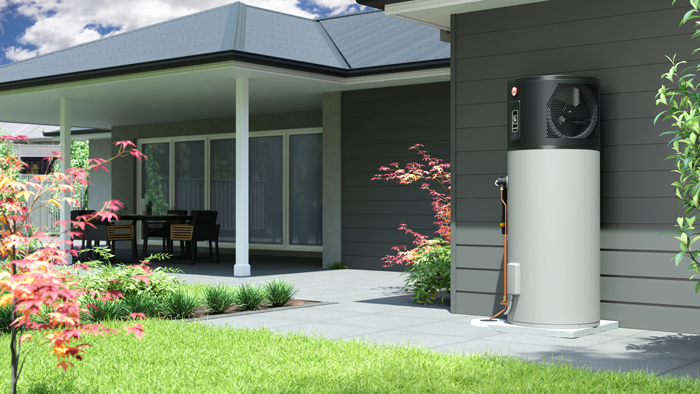
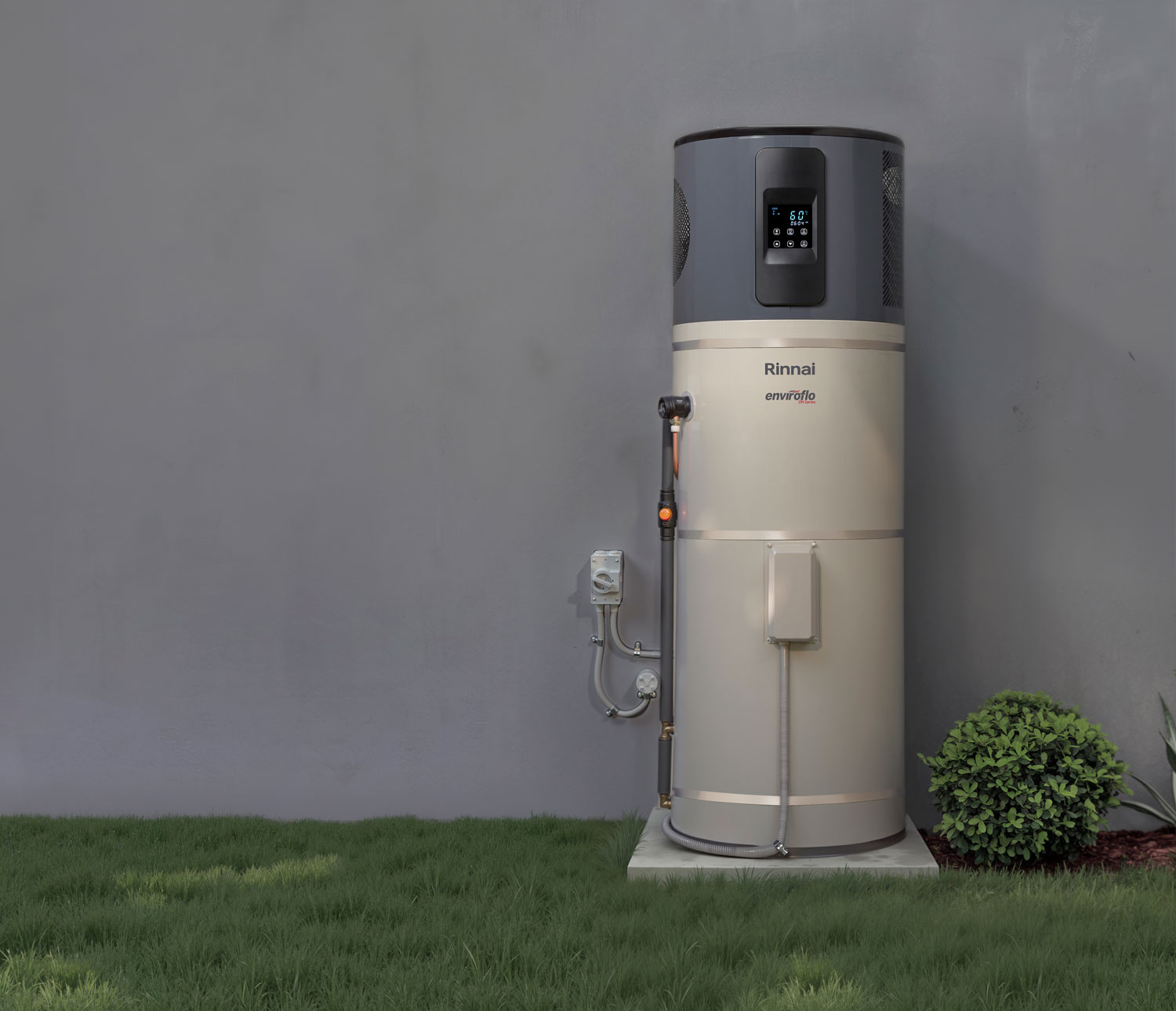
EECA’s article on hot water heat pumps in the home explains how these systems operate and why they’re significantly more efficient than standard electric cylinders. Rather than generating heat directly from electricity, a heat pump uses a refrigeration cycle to draw heat from the surrounding air and transfer it into the water. This process allows a small amount of electricity to deliver up to three times more heat energy — a measure known as the coefficient of performance (COP). In favourable conditions, a heat pump can achieve a COP of around 3, meaning 1 kW of electricity produces about 3 kW of heat.

EECA notes that this efficiency translates into 60 % to 75 % lower running costs compared with conventional electric water heating. Over a 10-year period, total costs — including installation, operation, and maintenance — are estimated to be up to 27 % cheaper than standard electric systems. Heat pumps also help cut household carbon emissions, as they use less electricity and make better use of New Zealand’s largely renewable power supply. EECA highlights additional benefits such as compatibility with solar power systems and suitability for homes with high hot water demand, but also notes considerations like higher upfront costs, noise from the compressor, and reduced efficiency in very cold climates.

What Gen Less Recommends for Kiwi Homes

The Gen Less guide to hot water heat pumps reinforces many of the same points and provides practical advice for homeowners. It emphasises that heat pumps are particularly cost-effective in larger households with high hot water use, as the more hot water you consume, the greater the savings over time. Gen Less also points out that heat pumps are an excellent option for new builds or major renovations, where the system can be properly integrated into the home’s plumbing and electrical design from the start.

One key recommendation is to ensure the system is appropriately sized for your household’s needs, as undersized units may struggle to keep up with demand. The guide also highlights the benefits of pairing a heat pump with solar photovoltaic (PV) panels, allowing homeowners to further reduce electricity costs and emissions by heating water using their own renewable energy. While they require more space and have a higher initial cost than standard cylinders, Gen Less concludes that for many households, hot water heat pumps are a more energy-efficient and environmentally friendly solution.

Why a Heat Pump Is the Better Choice

When we compare both sources, the message is clear: hot water heat pumps are one of the most efficient and future-proof water heating options available for New Zealand homes. Their key advantage lies in efficiency — by harnessing free heat from the air, they can reduce electricity use by up to three-quarters compared with traditional electric cylinders. This means significant savings on power bills, especially for families with higher hot water demand.

The environmental benefits are also substantial. Because heat pumps use less energy overall, they help reduce household carbon emissions — a major plus as New Zealand works towards a lower-carbon future. And if paired with solar panels, the environmental and cost savings can be even greater.

While the upfront installation cost is typically higher than that of a standard cylinder, the long-term financial benefits almost always outweigh this. Lower running costs and improved efficiency mean the system pays for itself over time, and ongoing maintenance is relatively straightforward. Even in cooler climates, where performance can dip slightly, heat pumps still outperform conventional systems in most scenarios.

There are, however, a few things to consider. Noise, placement requirements, and the need for proper sizing can influence whether a heat pump is right for your property. But with expert advice and professional installation, these challenges are easily managed — and the long-term savings and sustainability benefits make the investment worthwhile.

Make the Switch With Hot Water Cylinders NZ

If you’re looking to upgrade your home’s hot water system, a heat pump is one of the smartest choices you can make. It’s more efficient, more sustainable, and more cost-effective over time — all while providing the same reliable supply of hot water.

At Hot Water Cylinders NZ, we specialise in supplying and installing quality hot water heat pump systems tailored to Kiwi homes. Whether you’re replacing an old electric hot water cylinder or planning a new build, our team can help you choose the right system for your needs and budget.

📞 Hot Water Cylinders NZ
Website: hotwatercylinders.nz
Phone: 0800 4 CYLINDERS (0800 429 546)

👉 Ready to save on hot water costs? Get a free, no-obligation quote here.

Posted on

Why it is Important to Service your Hot Water Cylinder yearly

Your hot water cylinder has to be maintained annually to ensure durability, safety, and efficiency. These systems provide hot water for cleaning, showers, and baths which are essential to daily comfort. Here’s why booking a yearly service is a smart financial decision for you.


1. Extends System Lifespan:

With the right maintenance, hot water cylinders may last 20 to 40 years. Frequent maintenance keeps harmful substances like silt and limescale from building up, which can damage the tank and lower its effectiveness. The cylinder’s life expectancy may be doubled by replacing parts like the anode every five years, which also decreases corrosion. 

2. Ensures Energy Efficiency:

Utility expenses may increase if a neglected cylinder uses more gas or power than its necessary. To make sure the system runs as efficiently as possible, routine inspections involve cleaning and evaluating the heating components. In addition to saving energy, this lessens wear and avoids costly future repairs.

3. Improving the Quality of Water:

 Water quality can be deteriorated by sediment and mineral accumulation, which can result in problems including discolouration and an foul flavor. These contaminants are removed by the system’s yearly flush, which keeps the water safe for domestic usage. To avoid long-term harm, it can also be required to install filters or softeners in locations with high amounts of hard water or chlorine.

4.  Prevents Safety Hazards: 

Risks associated with unmonitored systems might include leaks, boiling water, or even tank explosions. A professional service lowers the chance of accidents by ensuring that pressure systems, thermostats, and safety valves operate normally. To protect everyone at home, gas systems need to be checked for leaks and carbon monoxide emissions. 

5. Early Detection for Possible Issues:

Routine maintenance may identify problems like valve wear or small leaks, before they become serious enough to require expensive repairs or replacements. To reduce downtime and prevent significant disruptions, early identification is essential. 


6. Majority Warranties Compliant:

For warranties to remain valid, many manufacturers require yearly service. This protects your investment by guaranteeing that any possible flaws are covered under warranty.

Actions to Take:


Testing safety features, inspecting anodes, and flushing sediment are all part of the hot water cylinder maintenance procedure. Although some basic maintenance may be done by homeowners, professional servicing is advised for more complete inspections and adjustments. Reputable experts in New Zealand, such as Hot Water Cylinders NZ, provide thorough services at affordable prices, guaranteeing your system is prepared for the upcoming year. 

In addition to ensuring a steady supply of hot water, yearly hot water cylinder maintenance also improves long-term cost effectiveness, energy efficiency, and home safety. Speak with professionals or make an appointment with us for further information.