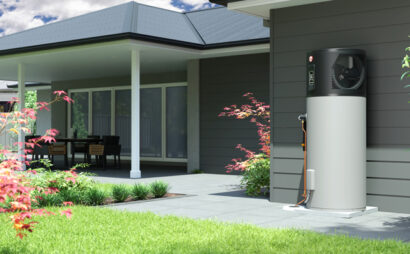
The sudden spike in hot water cylinder failure in Christchurch is said to be connected to the recent introduction of chlorine to the local water supply, according to this report. The controversial chemical is believed to have led to leaks in pipes and cylinders. Since the issue broke, more than 2000 hot water cylinders have been replaced.
Property management firms and cylinder manufacturers have reported an increase in plumbing faults and demand for new units.

Chlorination and Corrosion
New Zealand has had many years of chlorine-free water supply until recently when a deadly gastro outbreak due to water contamination happened in Havelock North. Many people argue that chlorine may not be to blame as some parts of the country with chlorinated water did not experience the same problem. So is the Christchurch dilemma an isolated case?
It turns out that Christchurch isn’t the only one. Last year, plumbers in Hastings reported a 30 per cent spike in hot water cylinder breakdown following the chlorination of the local water supply, according to a New Zealand Herald report. The same thing happened to Hastings and Napier as well.
So does chlorinated water actually cause corrosion?
Chlorination may not be directly to blame. However, the presence of chlorine in the water supply is a major contributing factor. Older cylinders may have existing cracks or pin holes, which are usually plugged up by mineral and lime scale that has built up. When chlorine is added to the water, it cleans and dissolves the sediments in the cylinder, exposing the cracks or pinholes. This explains why a hot water cylinder which has been working fine in the last 3 decades is suddenly failing.
That b eing said, some cylinders that have only been running for 18 months also failed. Many units in the area were newly replaced in the aftermath of the quake. So many pointed out that chlorine may also strip off the protective oxide coating from the copper, making the cylinder more prone to corrosion and leaks.
Experts analysed a number of defective cylinders in Christchurch and found multiple corrosion pits, which they concluded to be the cause of the unit failure. Traces of chlorine were identified in all pitting sites but were not present on non-pitting surfaces, which proves that chlorinated water actually causes a chemical reaction in the pipes.
Causes of Corrosion
Copper is nearly a noble metal due to its reluctance to oxidation or corrosion. Copper in hot water cylinders also has an added layer of oxide lining that makes it practically “rust proof”.
 However, copper may actually corrode when there is galvanic action or electron movement between the copper and its surroundings. Here are several other factors that can contribute to the corrosion of pipes, fittings and fixtures. The degradation of a cylinder depends on the rate at which one or more of these factors work:
- Chemicals – Water carries naturally occurring and added minerals and impurities which can effect corrosion in various ways. For instance, high levels of calcium (which often present in hard water) may lead to calcification in pipes and fittings. When the water is chlorinated, the chemical compounds in the added chemical can react with copper, steel and plastic pipes which will consequently accelerate the corrosive action of both plastic and metal plumbing fixtures.
- PH levels – Copper has an oxide lining that could be stripped when the water is at a certain PH level. This leads to a more rapid rate of corrosion.
- Oxygen – Both water and oxygen are required for rusting to occur.
- Temperature – Chlorine in extremely hot water is particularly corrosive on copper, brass, galvanized iron and stainless steel pipes and fittings. While this fact is taken into consideration when designing hot water cylinders, corrosion is inevitable and will happen gradually.
 Oxidation can happen uniformly or non-uniformly. Uniform surface corrosion is usually caused by low PH or high PH and when the copper comes into contact with phosphates or air. This gives the copper a greenish patina. Non-uniform corrosion drills pits into the surface. If the pitting is severe enough, it can penetrate a pipe and cause pinhole leaks.
Preventive checks
For cylinders to fail in less than 10 years is unacceptable, especially since replacement can cost a bomb and a lot of trouble. Preventing corrosion can be more challenging when the water is mass treated. But the good news is you can pre-empt future failures and extend the life of your hot water cylinder. Here’s what you can do:
- Watch out for moisture. It’s easy to overlook a slight drip, but you’ll know it’s there when the carpet is getting a bit wet or moist.
- Keep an eye out for discoloured water or the appearance of blue-green stains in sinks and baths. If there’s white buildup around the fittings, that’s already a sign of calcification.
- Have your cylinder checked according to maintenance schedule to find any pitting and stop potential leaks in their track.
- If you are installing a new unit or a replacement, check with your installer that the cylinder is fit for purpose and has proper galvanic protection. We recommend replacing alloy-coated cylinders with Titanium-coated ones, because Titanium is more resistant to corrosion.
- Make sure to choose a reliable installer with a good record, as correct installation has a major effect on the performance and life of your cylinder.
- Make sure the sacrificial anode is in good condition. To find out more about sacrificial anodes click here.
When it happens, corrosion won’t be your sole problem. The water damage caused by leaks can impact your flooring, cabinetry and building structure as well. So it’s imperative that the unit and pipework are checked and maintained as needed.
For more information, contact our team today on 0800 429 546.