Posted on

How Water Cylinder Theft And How To Prevent It

Did you know that hot water cylinders are a target of theft? To most people, the thought of someone stealing your hot water cylinder would be ludicrous. But it is no joke, and hot water cylinder thefts continue to rise.

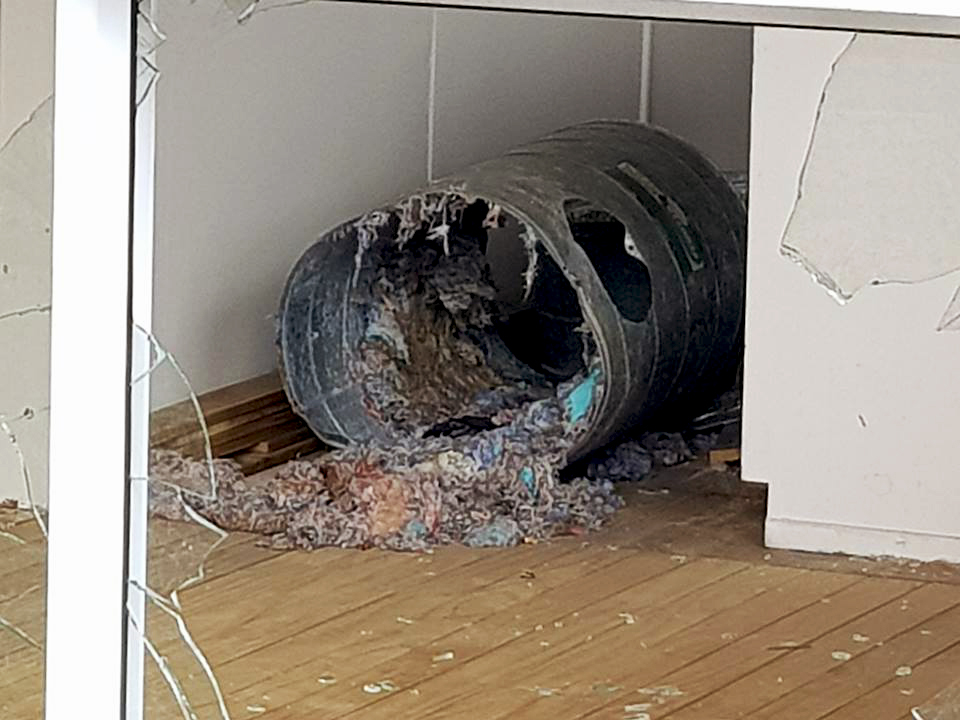
hot_water_cylinder_stolenCylinder Thefts And The Resulting Problems
The main target of hot water cylinder thefts are older low pressure hot water cylinder units which contain a large amount of copper. Copper fetches a significant price over metals like steel at scrap metal merchants, as high as $7.40 per kg, which means a 180L cylinder could be worth as much as $74, placing these cylinders containing copper at the top of the list for thieves.

However, the theft of the cylinder is not the only problem. When these thefts occur, the thieves are not exactly overly concerned about what state the property is left in, and as such usually take the quickest route to removing the cylinder which involves quickly sawing or ripping pipes, letting the cylinder drain onto the floor and then removing the cylinder by force. This causes a substantial amount of damage, not only to the pipework and the area surrounding the cylinder, but extending into the rest of the house due to the flooding.

Primary targets have been older homes which are under renovation or construction and are easier to access, not occupied and are likely to have an old cylinder about. Boarded up unused houses and houses which look to have been unoccupied for a while (such as when the occupants go on holiday) are also common targets.

However, due to these thefts, it is required by law to produce ID when selling scrap metal to a metal dealer. This makes it more difficult for thieves to sell the scrap once they’ve taken it, and acts as a deterrent to minimise the amount of theft that is happening.

How To Protect Yourself
There are steps you can take to minimise the risk of your hot water cylinder being targeted by thieves. One of the best steps you can take is to make your property look occupied, even if you are going away. This could involve having a friend clear out your letterbox regularly, leaving an old car parked in the driveway or leaving a light or two on to seem like someone is home. Thieves usually target vacant homes when going for cylinders, so if it looks like someone is home it will minimise the chance that they will try your home. Always have a friend or family member check on your home regularly to ensure it is secure while you are away.

Other measures you can take include making sure your cylinder is securely strapped into its installed position. This makes removal much more difficult, and is likely to put off opportunists. For home owners with instantaneous gas water heating units installed outside, there are brackets and cages which you can install on the unit to make removal next to impossible.

Luckily, modern mains pressure hot water cylinders are usually either stainless steel or enamel, which makes them much less of a target for theft than the older low pressure copper cylinders. While this does not guarantee that your home won’t be targeted, it certainly means that the reward is far smaller and will make the break in much less worthwhile.

Always Report Theft
If you have been a victim of theft, it is always important to report it to the police, even if you believe the damage is insignificant or you believe that they won’t be able to help. Reporting crimes helps to paint a bigger picture, allowing the police to see how prevalent the problem actually is and treat it as a priority. It can lead to an investigation which could result in the apprehension of the culprit. It will also help with insurance claims, as a police report can help with the process of filing a claim.

If you would like assistance in securing your water heater or have questions about how you can prevent theft from your property, contact us today.

Posted on

Product Review: Rinnai Hotflo Hot Water Heat Pump

Have you considered heating your water with a heat pump? Heat pump water heaters are becoming increasingly popular with home owners looking for more efficient methods of water heating.

How do they work and what are the benefits?
Heat pump water heaters work like fridges in reverse, using electricity to move heat from one place to another instead of generating the heat. They can be up to three times for efficient than a conventional electric hot water cylinder. To move the heat, heat pump water heaters pull heat from the surrounding air and dump it at higher temperature into a tank to heat the water.

rinnai_hotflo_heat_pumpTHE RINNAI HOTFLO HEAT PUMP WATER HEATER

The Rinnai Hotflo Hot Water Heat Pump was designed for homeowners who want to significantly reduce running costs while minimising their carbon footprint. Rinnai state that the Hotflo heat pumps offer an energy consumption profile similar to solar water heating systems and can generate up to 700 liters of hot water per day. Under normal operating conditions, the Hotflo will will around 66% electricity than a typical electric hot water cylinder.

Key benefits and features:

  • Retrofits to virtually any brand of electric hot water cylinder
  • Simple installation, usually takes less than one day
  • Carbon footprint reduction with reduced energy consumption

Specifications

Rated input 1.9 kW
Max. energy output 6.0 kW
This is the maximum possible from the unit and should be used to ensure the tank TPR valve is suitably sized.
Max. water pressure 850 kPa
Refrigerant type/mass R134A/750 g
Refrigerant pressure High 2.7 MPa, Low 1.0 MPa
Refrigerant compressor oil Type: Neo 32, quantity: 520 ml
Ingress protection IP24
Noise level Fan approx. 55 dB(A)
Net weight 60 kg
Power supply 240 V, 50 Hz

Ambient temperature operating range
Operating temperature range is -7 to 45 °C. When the ambient temperature is below 2 °C the tank temperature achieved may be lower. When the ambient temperature is high, the air supply fan will run at a lower speed.

Start up protection
When the power is first turned on to the heat pump, or when the power is cut, then retsored, the unit will not start for three minutes. This is to protect the condenser.

Defrosting function
The heat pump has protection systems that will stop the operation of the unit if; the air inlet/outlet is blocked, voltage is out of nominal range (207-255 V), over pressure, or over temperature in the refrigerant system.

CONS OF THIS PRODUCT

Despite being very efficient, the best heat pump units will be more costly than an electric water heater and are more likely to have failures than electric water heaters. Installation will also be trickier, as they need a supply of warm air to be able to run effectively. This can be a disadvantage during the winter and in colder places.

Indoor Installation
Installation indoors could be challenging due to how these heat pump systems work. Because the heat pump uses the air around it, and exhausts cold air, it will be increasing more difficult for it to extract heat from the same cold air it has extracted. This wastes power and extends the running time of the heat pump, making it less efficient. If using a split system, you will want to heat pump installed outside and the tank inside, which will work well.

Repair Costs
It is common to be facing repairs soon into the life of a heat pump system, usually once the warranty has expired.

Noise
Heat pumps do make a humming sound similar to an air conditioner while operating. This could cause disruption depending on placement and how sensitive to sound the occupants of the house are, so this should be taken into account when deciding where to install the unit.

CONCLUSION

Heat pump water heaters are a good option for high hot water users who want to improve the efficiency and performance of their water heating system. They provide a fast ROI, being up to three times more efficient than electric water heating systems. The Rinnai Hotflo Hot Water Heat Pump is a top of the range choice if you want to go the heat pump route, providing you with efficient water heating and hot water on standby.

For more information on the Rinnai Hotflo Heat Pump, download this PDF.
pdfRinnai Hotflo Heat Pump Water Heater PDF

Posted on

Product Review: Rinnai Smart Cylinder 180L Stainless Steel

All creature comforts can be made “smart” these days, from TVs to washing machines and now even our heaters. And what difference do they make! Not only do they allow us to make better use of our time, but they also help us trim down our household bills.

rinnai_smart_cylinder_180LThe 180L Rinnai Smart Cylinder is one such modern-day wonder. You wouldn’t think a hot water cylinder could save you cash, but this one promises just that! To be more precise, the Rinnai Smart Cylinder promises to shave up to 10% off your water heating costs. That’s a huge savings considering the fact that hot water heating accounts for around 30% of the average household energy bill.

It’s called smart for a reason: its thermostat learns your household’s hot water usage behaviour so it only heats water when it’s actually needed. This is unlike traditional electric hot water cylinders, which heats water round the clock.

In theory, it’s a total game changer. But does it deliver? Let’s take a closer look at its features, benefits and performance.

PRODUCT INFORMATION

The Rinnai Smart Cylinder is suitable for residential indoor water heating applications with mains and low pressure systems. It has triple inlets that make installation easy, and a curved element design that ensures 98% of water is heated.

Product name: Rinnai Smart Cylinder Low-Medium Pressure
Construction: High grade duplex stainless steel tan
Product diameter/height: 488/1660
Capacity: 180L
Connections: Hot and cold water connections ¾” (20mm)
Element: 3kW Incoloy 825 alloy sheath element positioned at the bottom of the tank
Max. working pressure: 120 kPa
Thermostat: Cothern iQuaflex 14 A probe thermostat
Cylinder recovery time: 3 hrs 9 mins (3kW) Based on a thermostat temp.setting of 60 °C and an incoming water temp. of 15 °C
Warranty: 10 years

The smart cylinder features an easy-to-use LCD control pad where you can access its three modes:

  • iQ Automatic Mode – This smart leaning mode enables the cylinder to learn a week’s worth of hot water usage in the home, which then sets a savings algorithm that automatically adjust the cylinder heating times according to your hot water usage pattern. Hot water usage habits are constantly monitored, so the saving algorithm is always updated according to anticipated demand. This means you always have a certain amount of hot water at all times depending on the level you select.
  • Vacation Mode – A hot bath is always a nice way to shake off the stress and aches of traveling. Traditionally, you’ll have to wait for your water heater to heat up nicely before you could take that much-needed relaxing shower. But with the Rinnai Smart Cylinder, you can have hot water as soon as you enter the door.

You simply set it to vacation mode, select the number of days you will be away for and the cylinder takes care of the rest. It keeps the water at a minimum temperature (6°C) while you are away to save power and keep the water from freezing in colder areas. After the specified period, the cylinder automatically reverts back to the operating mode you have selected before vacation was set.

  • Manual Mode – This mode operates the Rinnai Smart Cylinder as a traditional electric hot water cylinder. It’s most useful when you are having guests over. You simply set it using the mode button to make sure water is permanently maintained at a temperature.

NOTEWORTHY FEATURES

There are few other things that make the Rinnai Smart Cylinder a great option for hot water cylinder for your home.

rinnai_smart_cylinder_180L_features

  • A water level indicator
    Just above the shower symbol, there are visual levels that show the estimated amount of hot water available (occurs in iQ mode). The default setting (level 3) achieves energy savings whilst it ensures you have enough hot water available.
  • Maintenance/error indicator

This features makes troubleshooting easy. If something is wrong with the cylinder, an error code is indicated by the maintenance logo, the error code number and a flashing background light.

  • Child lock
    Prevent unwanted access to the control pad to keep the whole family safe.
  • Biosafe operation

The Rinnai Smart Cylinder meets the New Zealand Building Code requirement to disinfect water for legionella bacteria. To ensure water safety, the system performs heating above 60 °C whenever it detects risk conditions (<60 °C for 21 days).

CONS

The Rinnai Smart Cylinder is ideal for households that have a consistent pattern of hot water use. Otherwise, its iQ mode will not be accurate and will provide little advantage in terms of cost savings.

The smart cylinder doesn’t work for an open loop solar or hot water heat pump system, and it’s strictly for indoor use. You can’t use it as a pool or spa heater.

The Verdict

The Rinnai Smart Cylinder is a reliable appliance all in all. It does its job well and even saves you money. Its smart features offer benefits that are well worth the upgrade from gas, if you’re ever considering it.

https://www.youtube.com/watch?v=CiIQFiNYqjY&list=PL4noz8UPchgBnAilmHSUNe2zxSLqcPt74