Posted on

Types of water heaters that you might want to consider.

A water heater is doubtlessly up at first on the list of essential home appliances. Imagine a relaxing shower at the end of your long day — and you’re left with cold water. The idea alone will make you call the nearest and reputable master plumber to get you and install a water heater quickly.

Assuming you choose the right time to replace or install your water heater, here are a few options you should consider reading.

The following are five of the most well-known styles:

Conventional Water Tank

These are the most widely recognized sort of water heaters available. These are made out of an insulated tank, usually holding between 20 to 80 gallons of water warmed by natural gas or power. When you turn on the heater, the water will run through the pipe from the tank. When the tank runs out of water, the owner must refill it. While it’s reliable and long-lasting, one of the cons is that once the hot water has been used, you’ll have to wait until the tank heats the refilled water.

Tankless Water Heate

These heaters warm up water without a tank. If the conventional one tends to run out of hot water, the tankless one will supply you with hot water as long as you need it. There are different sizes of Tankless Water heaters, so it’s essential to research and ask professionals to find the right fit for your household.

Solar Water Heater

Fueled by solar panels, solar-powered water heaters are the most energy-efficient type of water heater. Every time the commissions are charged, the energy will be passed through to a closed-cycle system built of a heat-conductive material that will warm the water in the tank. This water heater works best in sunny areas and warm climates.

Condensing Water Heater

While comparative in appearance to conventional water tanks, this gas water heating tank utilizes the intensity created from the fumes of a natural gas framework to warm the water. The gas vapour moves heat through a coil found at the lower part of the tank.

Heat Pump or Hybrid Water Heater

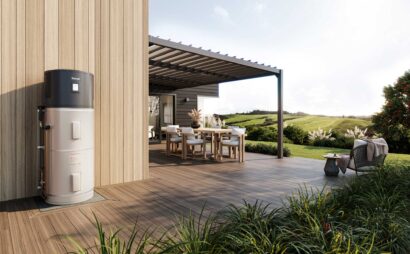
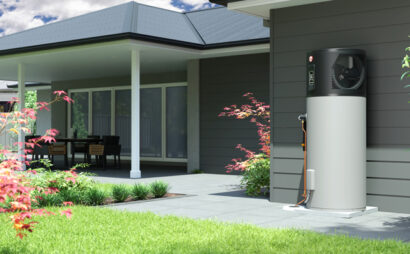
One more kind of water heater that can assist with getting a good deal on power bills is the heat pump water heater. This radiator involves heat in the air and on the ground to warm the water; power is used to move the heat to the water.

After you read through this blog, it’s still important to ask a professional to help you make the best decision. Once you decide which tank will be helpful for you, please don’t hesitate to contact us.

Posted on

How do you intend to Power your future?

What is the future of hot water?

With the world fading out the use of fossil fuels new markets are developing for more efficient and cost effective ways to heat water.

Whilst gas is still in high demand for its convenience, low running costs and high heat values, our environment sets the stage of how water is to be heated in years to come.

With the exploding trend of electrical vehicles and the PR behind this trend, we can clearly see that change is coming fast for what is considered to be the number 1 power consumer in every home.

This includes water and space heating.

Architects and Engineers are scrambling on how to design homes today > for tomorrow that need to include domestic and space heating systems that can adapt to the worlds fast moving demands to reduce CO2 emissions.

Systems that are currently in question include:

Gas water heating
• Gas Space Heating
• Diesel Space Heating

Heratpumps and Solar are on the rise given the low emission values. Hot Water Cylinders NZ have several offerings in this regard including:

1. Heatpump hot water cylinders
2. Solar retrofitted to existing hot water cylinders
3. PV Solar options (Upgrade to Solar)
4. PV to support Hot Water Cylinders and Heatpumps.

The future is looking like leveraging battery power. With the increase of E vehicles including cars, scooters, bikes and much more, governments will need to come up with a plan on how to power everything. So if you are going electric, our guess is that you are on the right track. The only question you need to ask yourself is how you can offset your electrical costs especially when it comes to eating your home and water.

Talk to Hot Water Cylinders Ltd today and we will assess you property whether existing or new and provide you with a design that will not only give you reassurance today but also into the future!

Posted on

Hot Water Heater Not Working After Power Outage? Here’s Why

Whether patterns around the globe are changing rapidly and infrastructure around New Zealand is still catching up. In the North Island alone over 100000 homes were left without power after storm Gabrielle. Further 35000 Homes were left without power on the coldest night of the year due to concerns of grid overload NZ wide.

There are many reasons for blackouts including:

  1. Weather related damage including Electrical assets, flooding and Cyclones.
  2. Ripple Control, managed by power supplier. They chose when to turn off your power supply to the hot water cylinder to protect the grid.
  3. Faulty premises wiring, RCD or even power meter.
  4. External forces such as vermin, accidents etc.


Once the lights go out, one can assume that everything connected to the power board will also go out. This includes your mains pressure hot water cylinder unless you are using gas, which under these circumstances will not ignite.

Please note, that if you are experiencing a no hot water situation, your circumstances could be unique and its best to contact a certifying plumbing company such as ourselves to asses and evaluate the fault so a professional prognosis can be made and the appropriate remedy recommended.

The information within this blog is for educational purposes only.

So what happens within your hot water cylinder once the power supply is gone? Then, what happens once the power supply goes back on?

Here are some scenarios you need to consider.

  1. When the utility provider suddenly switches the power back on, the network voltage could be higher or lower than ideal. This positive or negative surge may and can disrupt appliance functionality In many cases a power outage is announced, in such cases one should turn off all PowerPoints and switches including the hot water cylinder. This would protect your appliances from such a surge.
  2. If your hot water cylinder is of age, the heating element will naturally show signs of degradation due to electrolysis and calcification. In such cases, a surge in power will short circuit the element and cause it permanently fail. Given the heating element is a tear and wear product, it is very difficult to prove that a surge has taken place and caused the damage. In this case, it’s best to ensure the damage is prevented to start with as mentioned in point 1. Should our hot water cylinder element need replacing, contact us.
  3. Check your RCD at the power board. Depending on your hot water cylinder and heating element model, your RCD may trip before any damage occurs.

If your hot water no longer works after a blackout and you are unsure what the cause is, give our technicians a ring on 0800 4 HOT WATER