


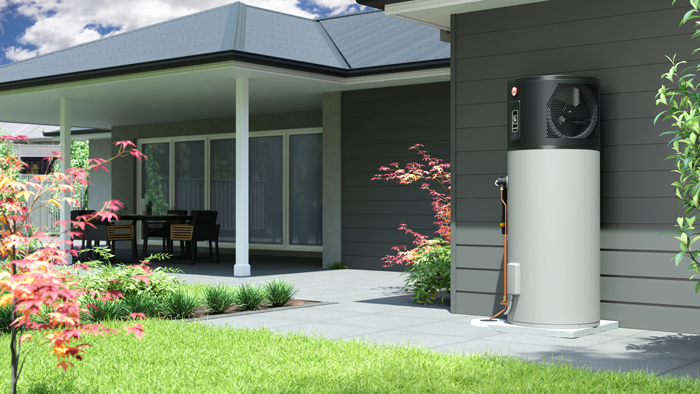
Hot water heating is one of the biggest contributors to household energy use in New Zealand, accounting for around 30 % of the average home’s power consumption. For many households, choosing the right water heating system can make a big difference to both running costs and environmental impact. Two key resources — from the Energy Efficiency and Conservation Authority (EECA) and Gen Less — provide valuable insights into how hot water heat pumps work and why they’re increasingly being chosen over traditional electric hot water cylinders.
What EECA Says About Hot Water Heat Pumps
EECA’s article on hot water heat pumps in the home explains how these systems operate and why they’re significantly more efficient than standard electric cylinders. Rather than generating heat directly from electricity, a heat pump uses a refrigeration cycle to draw heat from the surrounding air and transfer it into the water. This process allows a small amount of electricity to deliver up to three times more heat energy — a measure known as the coefficient of performance (COP). In favourable conditions, a heat pump can achieve a COP of around 3, meaning 1 kW of electricity produces about 3 kW of heat.
EECA notes that this efficiency translates into 60 % to 75 % lower running costs compared with conventional electric water heating. Over a 10-year period, total costs — including installation, operation, and maintenance — are estimated to be up to 27 % cheaper than standard electric systems. Heat pumps also help cut household carbon emissions, as they use less electricity and make better use of New Zealand’s largely renewable power supply. EECA highlights additional benefits such as compatibility with solar power systems and suitability for homes with high hot water demand, but also notes considerations like higher upfront costs, noise from the compressor, and reduced efficiency in very cold climates.
What Gen Less Recommends for Kiwi Homes
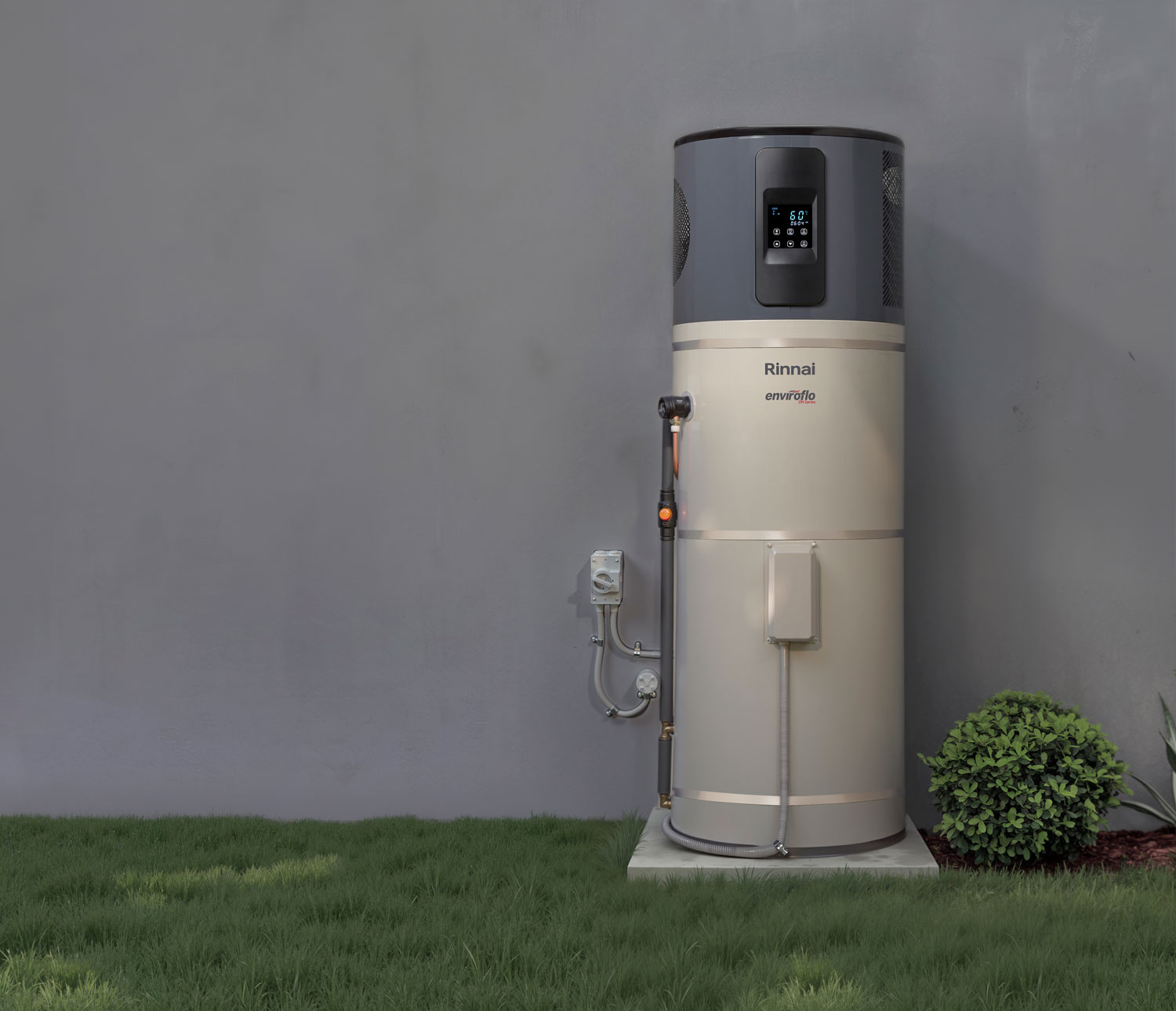
The Gen Less guide to hot water heat pumps reinforces many of the same points and provides practical advice for homeowners. It emphasises that heat pumps are particularly cost-effective in larger households with high hot water use, as the more hot water you consume, the greater the savings over time. Gen Less also points out that heat pumps are an excellent option for new builds or major renovations, where the system can be properly integrated into the home’s plumbing and electrical design from the start.
One key recommendation is to ensure the system is appropriately sized for your household’s needs, as undersized units may struggle to keep up with demand. The guide also highlights the benefits of pairing a heat pump with solar photovoltaic (PV) panels, allowing homeowners to further reduce electricity costs and emissions by heating water using their own renewable energy. While they require more space and have a higher initial cost than standard cylinders, Gen Less concludes that for many households, hot water heat pumps are a more energy-efficient and environmentally friendly solution.
Why a Heat Pump Is the Better Choice
When we compare both sources, the message is clear: hot water heat pumps are one of the most efficient and future-proof water heating options available for New Zealand homes. Their key advantage lies in efficiency — by harnessing free heat from the air, they can reduce electricity use by up to three-quarters compared with traditional electric cylinders. This means significant savings on power bills, especially for families with higher hot water demand.
The environmental benefits are also substantial. Because heat pumps use less energy overall, they help reduce household carbon emissions — a major plus as New Zealand works towards a lower-carbon future. And if paired with solar panels, the environmental and cost savings can be even greater.
While the upfront installation cost is typically higher than that of a standard cylinder, the long-term financial benefits almost always outweigh this. Lower running costs and improved efficiency mean the system pays for itself over time, and ongoing maintenance is relatively straightforward. Even in cooler climates, where performance can dip slightly, heat pumps still outperform conventional systems in most scenarios.
There are, however, a few things to consider. Noise, placement requirements, and the need for proper sizing can influence whether a heat pump is right for your property. But with expert advice and professional installation, these challenges are easily managed — and the long-term savings and sustainability benefits make the investment worthwhile.
Make the Switch With Hot Water Cylinders NZ
If you’re looking to upgrade your home’s hot water system, a heat pump is one of the smartest choices you can make. It’s more efficient, more sustainable, and more cost-effective over time — all while providing the same reliable supply of hot water.
At Hot Water Cylinders NZ, we specialise in supplying and installing quality hot water heat pump systems tailored to Kiwi homes. Whether you’re replacing an old electric hot water cylinder or planning a new build, our team can help you choose the right system for your needs and budget.
📞 Hot Water Cylinders NZ
Website: hotwatercylinders.nz
Phone: 0800 4 CYLINDERS (0800 429 546)
👉 Ready to save on hot water costs? Get a free, no-obligation quote here.


 Cost Savings
 Environmentally Friendly
 Potential Drawbacks





